Why Skilled Trades Are the Backbone of Resilient Neighborhoods
When local residents are trained to build and maintain community assets, the economic benefits ripple outward. Here is why civic leaders should invest in skilled trades pathways.
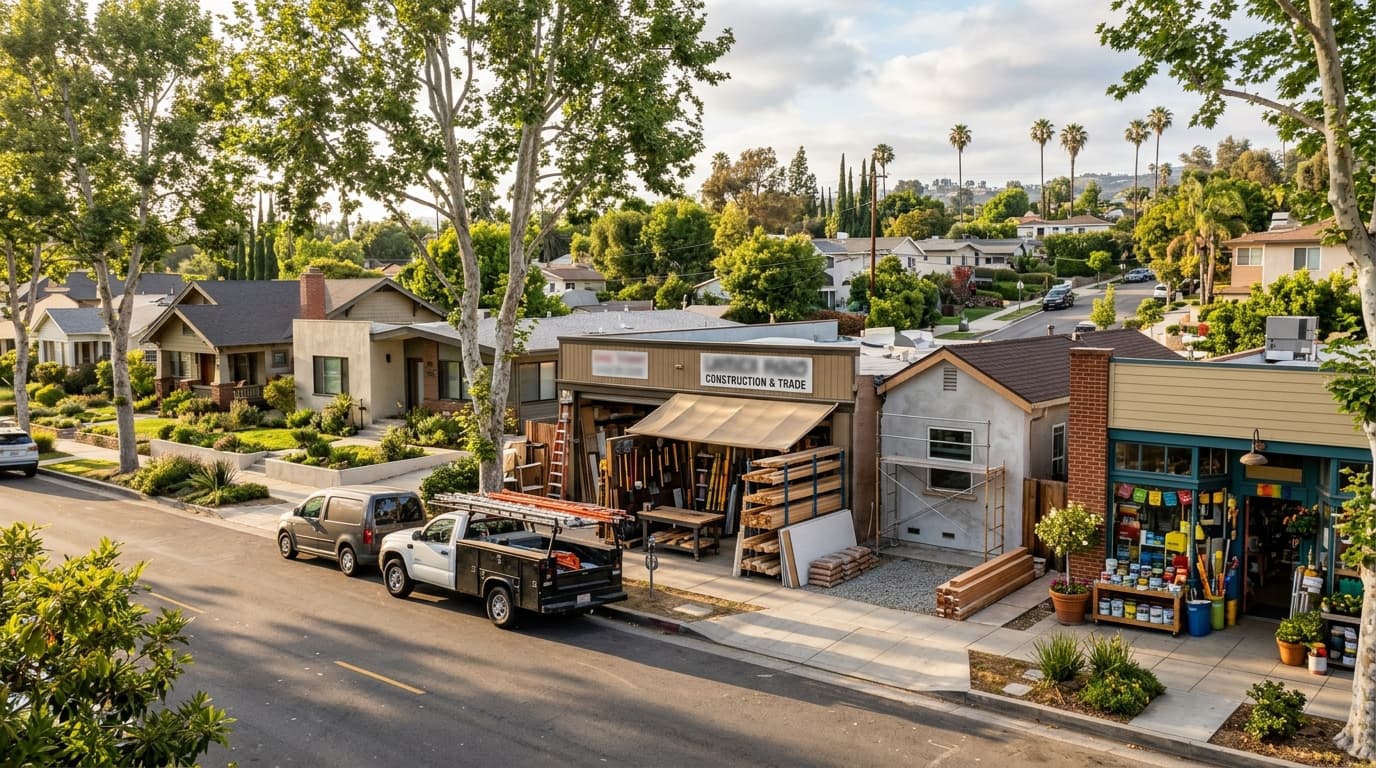
When a pipe bursts, a panel fails, or a roof leaks, a neighborhood's resilience is tested. Who can respond? How quickly? At what cost? Communities with strong local trades capacity recover faster and keep more dollars circulating locally. For urban planners and civic leaders, skilled trades are not just an employment category. They are infrastructure.
The ripple effect of local skills
Consider what happens when a resident learns a building trade. First, there is direct benefit: a skilled wage and the stability it brings. Second, there is a household effect: stable income can improve housing, education, and health outcomes. Third, there is a community effect: the worker's skills can be applied to repair and improvement of nearby homes, businesses, and institutions, and the worker spends part of that income locally.
These effects compound. Each additional skilled tradesperson increases a neighborhood's capacity to maintain itself. Over time, that capacity can reduce deferred maintenance, extend the life of buildings, and support property values.
The maintenance gap
Many neighborhoods face a quiet problem: deferred maintenance. Owners may lack funds, information, or access to trustworthy contractors. Small issues grow into large ones. A modest roof repair becomes structural damage; an electrical issue becomes a hazard. Local trades capacity helps close this gap by making skilled help more accessible and by fostering relationships of trust.
Why trades pathways matter for resilience
Several features make trades particularly valuable for community resilience:
- Needed in every economy. Buildings always require upkeep.
- Hands-on and durable. Skills are portable and hard to automate away entirely.
- Opportunities for entrepreneurship. Many tradespeople eventually start small businesses that employ others locally.
- Disaster response. In emergencies, local skills speed recovery.
- Intergenerational impact. Skills and professional pride can pass to the next generation.
What effective partnerships look like
Civic leaders, nonprofits, and builders can collaborate in practical ways.
- Link training to real projects. Instruction is most effective when applied to meaningful work.
- Coordinate with employers. Training should align with skills that local contractors need.
- Support pathways to credentials. Help trainees understand licensing and certification.
- Provide wraparound support. Transportation, tools, and mentorship often decide whether someone stays in training.
- Measure outcomes. Track placement, retention, and earnings with honesty.
Doluu Investment Corporation has trained more than 200 tradesmen and transformed more than 50 properties, and our experience suggests that training and property improvement work best together. A restored building becomes both an asset and a classroom.
Considerations and limits
Trades training is not a cure-all. Programs require funding, partners, and time. Local conditions such as housing costs, transportation, and wage levels influence results. Leaders should set realistic expectations and evaluate results over several years, not months.
Ethical foundations
We also believe that workers deserve safe conditions, fair pay, and respect. Resilient communities are built by people who are treated well. This conviction shapes how we run job sites and how we select partners.
An invitation to civic leaders
If you shape policy or planning in your community, consider how trades pathways could strengthen the places you serve. Ask where training intersects with property improvement, and where public, private, and faith-based partners could contribute.
Questions Civic Leaders Can Ask
When evaluating a trades or workforce partnership, ask who is being trained, what projects they will work on, and how the program will help them find or create lasting employment. Ask how local contractors were consulted and how success will be measured after one, three, and five years. Thoughtful questions at the start help ensure that public attention and private investment flow toward training that truly strengthens neighborhoods.
This article presents general perspectives and is not policy, legal, or economic advice. Outcomes vary by community.
Learn more
We have summarized key ideas and practical steps in a short brief. Download the Community Resilience Brief to explore how skills pathways can strengthen neighborhoods.