Solar & Energy Upgrades: Solar Builder Century USA Integration
How solar and energy upgrades can lower operating costs and support asset value for commercial property owners, and what to evaluate before investing.
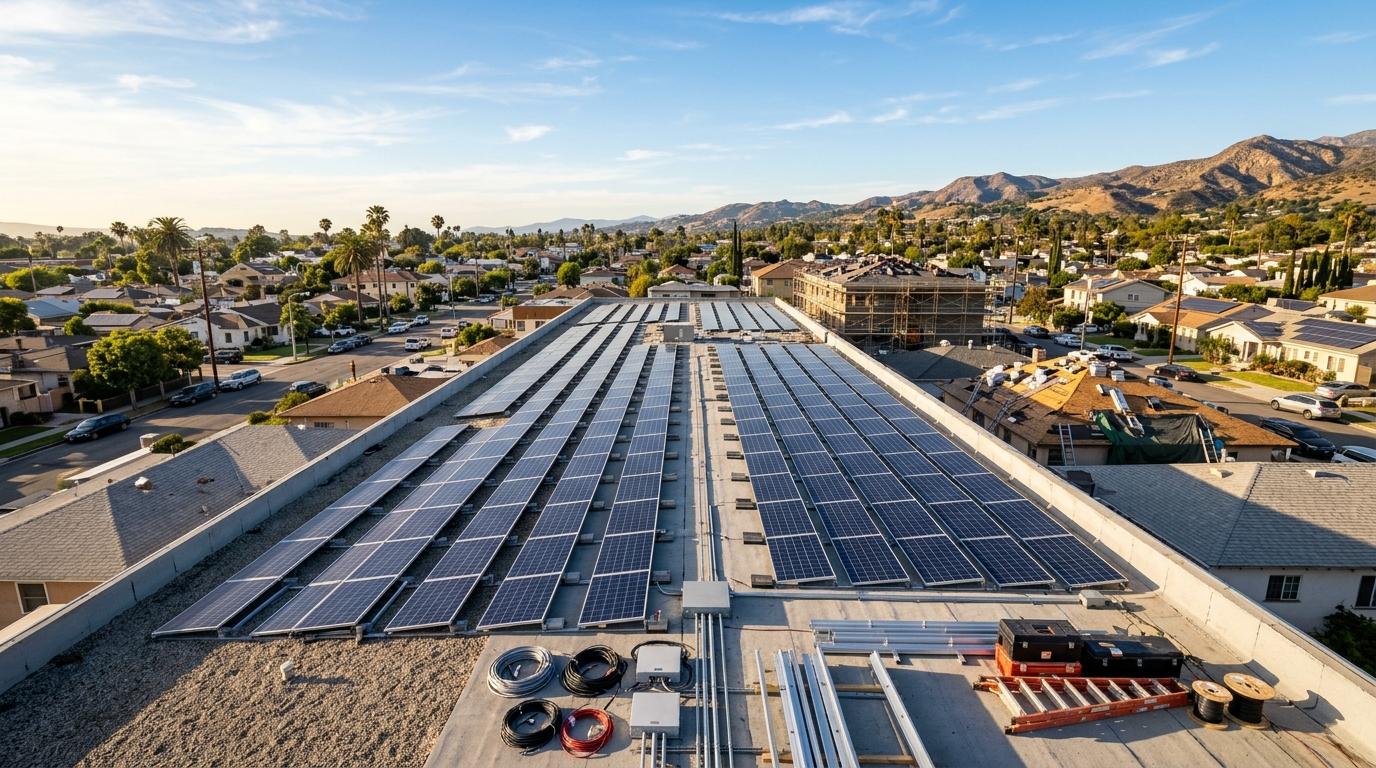
Energy is one of the largest controllable operating expenses for many commercial properties. Owners who manage it well can improve net operating income, make buildings more attractive to tenants, and prepare for rising utility costs. Solar and energy upgrades are among the strategies available. This article outlines how they work and what to consider, drawing on the experience of our team, which operates in this field under the DBA Solar Builder Century USA.
Why energy matters to asset value
For income-producing property, operating costs directly affect value. When expenses fall, net income rises, and, depending on how the property is valued, that can influence appraisal. Energy-efficient buildings may also appeal to tenants who want lower utility bills or who care about sustainability. While outcomes vary, owners increasingly view energy performance as part of overall asset quality.
Start with efficiency
Before adding solar generation, it is often wise to reduce consumption. Common efficiency measures include:
- LED lighting and controls that cut electricity use and maintenance
- HVAC upgrades and maintenance to improve comfort and reduce energy waste
- Insulation and air sealing to limit heat loss and gain
- Window and roof improvements where cost-effective
- Building controls that adjust systems to occupancy
A smaller load can mean a smaller, less expensive solar system, so efficiency and solar often work best together.
Evaluating a solar investment
Solar feasibility depends on many factors. A careful evaluation typically examines:
- Energy use profile. How much electricity does the property consume, and when?
- Roof or site conditions. Orientation, shading, structural capacity, and age of the roof matter.
- Electrical infrastructure. Panels, service capacity, and interconnection requirements may need upgrades.
- Utility rates and rules. Rate structures and net-metering policies change; check current rules with your utility and regulators.
- Incentives and financing. Tax credits, rebates, and financing options may be available, and they change over time. Consult tax and financing professionals.
- System cost and expected performance. Compare proposals using consistent assumptions, and ask how production estimates were calculated.
- Maintenance and warranty. Understand equipment and workmanship warranties.
Why electrical expertise is important
Solar is an electrical project as much as a roofing project. Proper design, installation, grounding, and interconnection are crucial for safety and performance. Because our team includes Class C10 electrical expertise, we can assess the building's electrical system and plan upgrades in tandem with solar. In California, contractors performing solar work must hold appropriate licensing, so verify any installer's classification and status with the CSLB.
Questions to ask any solar contractor
- Is your license active, and which classification do you hold?
- How did you estimate production and savings?
- What happens if the roof needs repair during the system's life?
- What warranties apply, and who honors them?
- How will the system connect to my electrical service?
- Can you provide references for similar commercial properties?
Managing expectations
Solar savings are not guaranteed. They depend on energy prices, system performance, usage patterns, and policy changes. A sound analysis should present realistic ranges and identify risks. Be cautious of promises that sound too good to be true.
Part of a bigger picture
For us, energy upgrades fit within our stewardship philosophy: using resources wisely and reducing waste. They also create opportunities for skilled work and training, extending the dual-purpose model into the energy sector.
Planning for Long-Term Performance
After installation, performance depends on monitoring and upkeep. Ask for access to production data, schedule periodic cleaning and inspection, and keep records of warranties and service calls. A system that quietly underperforms for years erodes the savings that justified it. A little attention each quarter helps owners catch problems early and verify that the investment is delivering what was projected.
This article is general information, not financial, tax, or engineering advice. Incentives, rules, and costs change. Consult qualified professionals before making investment decisions.
See what is feasible
Curious whether solar makes sense for your building? Schedule a Solar Feasibility Assessment and receive a straightforward evaluation of your options.