Risk Mitigation in California Construction: Insurance, Surety Bonds, & Compliance
A plain-language guide to the protections that matter when hiring a California contractor: license bonds, workers' compensation, and ongoing regulatory compliance.
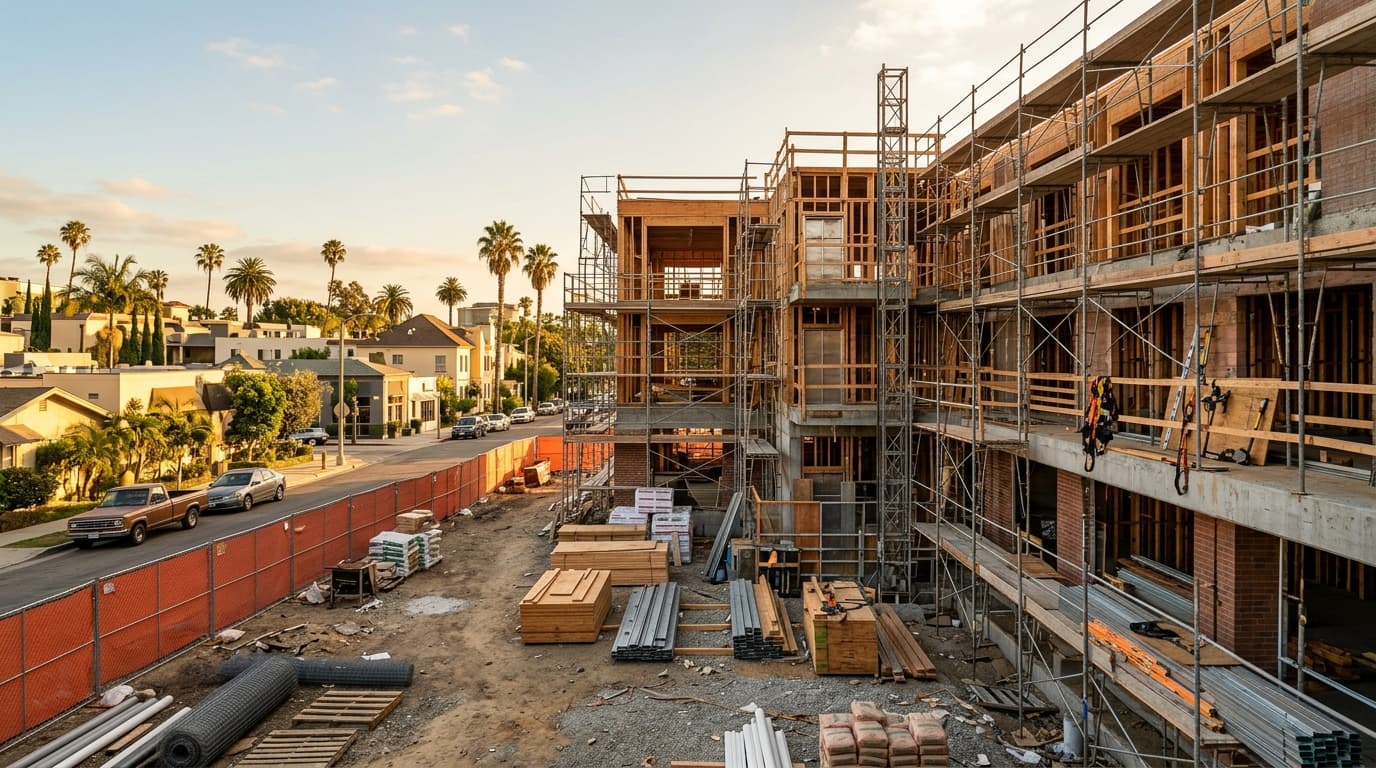
Construction involves risk by nature: heavy materials, complex systems, tight schedules, and many moving parts. For commercial property owners, the question is not whether risk exists, but who bears it when something goes wrong. California's licensing framework includes several protections designed to shift some of that risk away from owners. Understanding them can save you from costly mistakes.
Why risk management is part of the purchase
When you hire a contractor, you are not only buying labor and materials. You are also relying on that contractor's financial stability, legal standing, and insurance coverage. A low bid from an unlicensed or uninsured contractor can turn expensive quickly if there is an injury, a property loss, or an abandoned project. Smart owners evaluate protections before they evaluate price.
The contractor license bond
California requires licensed contractors to maintain a contractor license bond with a surety company. At the time of writing, the required amount for most classifications is $25,000, though requirements can change. The bond is a form of financial guarantee. If a contractor violates certain license law provisions, an eligible party may be able to make a claim against the bond.
Important points about the bond:
- It is not insurance for the contractor. It exists to protect the public.
- The amount is limited, so it does not cover every possible loss on a large project.
- Claims follow specific legal processes and conditions.
Our own surety bond is issued through Western Surety, and owners can confirm current bond status through the CSLB's public license lookup.
Workers' compensation insurance
Contractors with employees are generally required to carry workers' compensation insurance. This coverage pays for medical care and partial wage replacement when a worker is injured on the job. For property owners, it matters because an uninsured injury on your site can lead to disputes, costs, and liability complications. Doluu maintains workers' compensation coverage through State Compensation Insurance Fund. Always ask for a current certificate of insurance and verify it directly.
General liability and other coverage
Beyond the items required for licensing, many projects call for additional insurance: general liability for property damage or third-party injury, builder's risk for the structure while under construction, and sometimes umbrella coverage for larger projects. Owners should specify required coverage and limits in the contract, request certificates, and ask to be named as an additional insured where appropriate. A licensed attorney or insurance professional can advise on appropriate limits.
Compliance beyond paperwork
Compliance is also about day-to-day practice. Healthy job sites follow safety rules, maintain accurate records, pull permits, schedule inspections, and pay workers properly. These behaviors reduce risk more than any certificate alone. Ask potential contractors how they handle safety training, subcontractor oversight, and documentation.
A simple owner's checklist
- Verify the license number, classification, and status on the CSLB website.
- Confirm the bond is on file and active.
- Request current workers' compensation and liability certificates directly from the carrier or broker.
- Check for disciplinary actions or complaints.
- Put insurance requirements and indemnity provisions in writing.
- Confirm who is responsible for permits and inspections.
- Keep copies of everything.
Why we emphasize this
Our dual-purpose mission rests on trust. Investors, ministry partners, and neighbors place confidence in us, and we believe that confidence should be supported by verifiable facts, not just promises. License, bond, and insurance details change over time, so we encourage everyone, including prospective clients, to verify our current standing directly through the CSLB and with our insurance carriers before entering any agreement.
Final thought
Risk cannot be eliminated, but it can be managed intelligently. The right protections, verified up front, allow owners to focus on what matters: delivering a quality project that lasts.
This article is general information, not legal, insurance, or compliance advice. Requirements change; consult qualified professionals and official sources.
Verify before you commit
Review our credentials and learn how to confirm them yourself. Review CSLB Verification Details and make due diligence a standard part of every project.