Identifying Hidden Potential: Evaluating Distressed Properties for Transformation
Key criteria Doluu uses to assess distressed and underused properties, so owners and brokers can recognize latent value, and its limits, before a transformation begins.
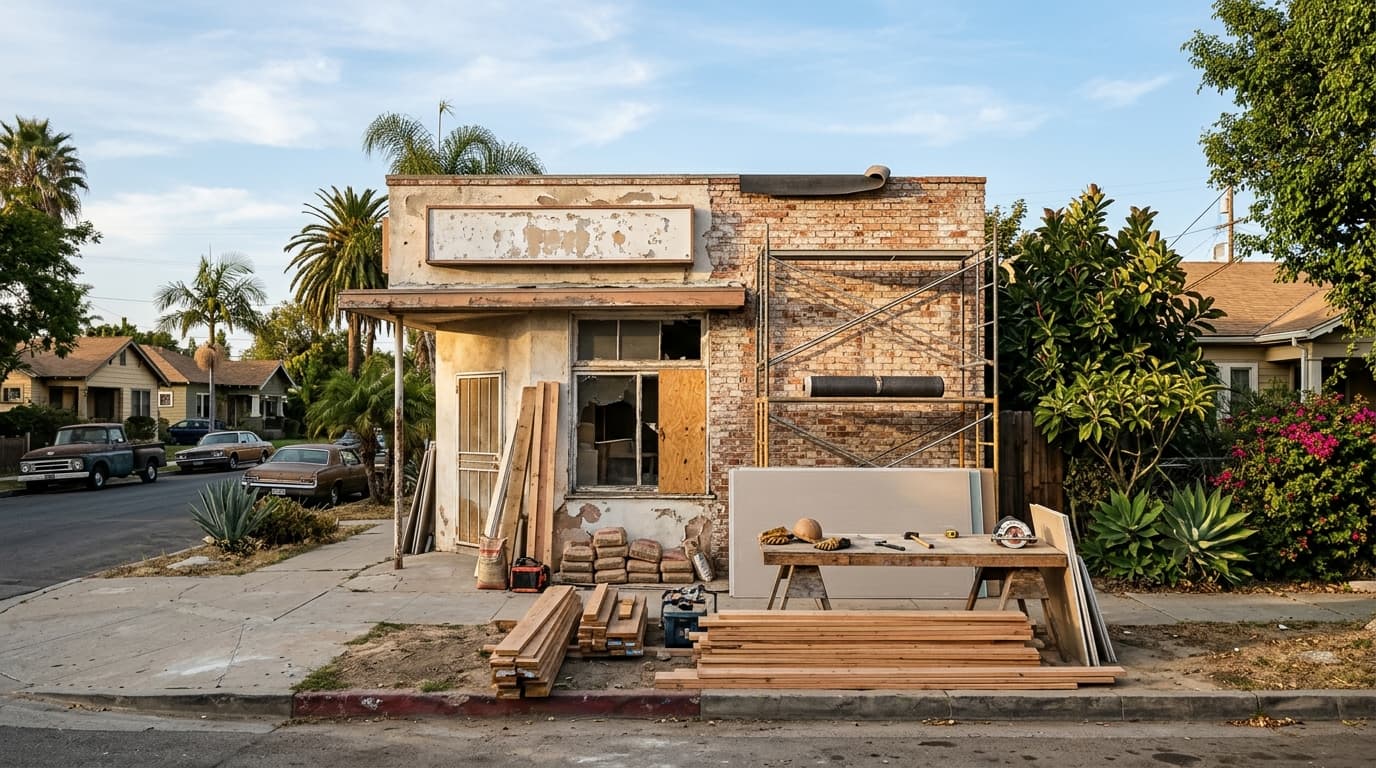
A distressed property can look like a liability on the surface: peeling paint, boarded windows, deferred maintenance. But beneath the neglect, some of these properties hold real potential. The skill lies in telling the difference between a building that can be restored profitably and one that will consume capital without a satisfactory return. This guide outlines the criteria Doluu Investment Corporation uses during the first stage of our transformation model: property assessment.
1. Structural soundness
Everything else depends on the bones of the building. We look closely at foundations, framing, roof structure, and signs of water intrusion or settlement. Cosmetic damage is often inexpensive to fix; structural failure usually is not. A building with solid bones and tired finishes is frequently a good candidate. A building with serious structural compromise requires a very different cost conversation.
2. Building systems
Next come the systems that make a property function: electrical, plumbing, heating and cooling, and fire and life-safety equipment. Outdated or unsafe wiring is common in older properties, and electrical upgrades can be a significant line item. Because our team includes Class C10 electrical expertise, we can evaluate these systems in detail rather than relying only on a general estimate.
3. Legal and regulatory status
A property's paperwork can matter as much as its physical condition. Review should include:
- Title and liens: Are there encumbrances that complicate ownership or sale?
- Zoning and permitted uses: Does the intended use align with local rules, or would approvals be needed?
- Permit history: Were past renovations properly permitted? Unpermitted work can create costs and delays.
- Code compliance: Are there open violations or required corrections?
These items can quickly change the feasibility of a project, so they should be investigated early.
4. Market demand
Even a perfectly restored building fails if there is no demand for it. We ask who the likely occupant or buyer is, what comparable properties earn or sell for, and what the neighborhood lacks. In some cases the best use differs from the building's original purpose: an empty retail shell may become flexible workspace, or an underused lot may support housing.
5. Cost-to-value relationship
The central financial question is whether the value created by renovation exceeds the total cost of acquisition, financing, construction, and carrying time. We stress-test assumptions by considering what happens if costs run higher or timelines stretch. A project that only works under perfect conditions is not a good project.
6. Community impact potential
Because our model is dual-purpose, we also consider how a project could benefit the surrounding area, through safer streets, usable space, local jobs, or training opportunities. This is not a substitute for financial viability, but it is part of why we choose one opportunity over another.
Red flags to take seriously
- Major structural movement or unresolved environmental concerns
- Unclear ownership or unresolved legal disputes
- Seller expectations far above realistic post-renovation value
- Zoning that prohibits the only viable use
- Inability to inspect the property before committing
None of these automatically ends a deal, but each demands honest evaluation and often professional specialists.
Who this guide serves
If you are a seller, broker, or owner holding a challenging property, understanding these criteria helps you present it accurately and set realistic expectations. If you are an investor, they form a useful checklist for your own due diligence.
Documenting What You Find
Whatever your role, document the assessment carefully. Take dated photographs of every major area, save inspection reports, and keep a simple log of questions raised and answers received. This record protects you in negotiations, supports lender and insurer conversations, and gives contractors a common reference point. When a surprise arises later, a clear record of what was known at the start makes it far easier to decide what to do next.
This article provides general educational information and is not legal, financial, or engineering advice. Properties differ widely; always obtain professional inspections and advice.
Have a property in mind?
If you hold a distressed or underused property and want an informed second opinion, Submit a Property for Assessment and our team will review its potential with you.