Ethical Workforce Management: Protection, Safety, & Fair Wages
Why workers' compensation coverage, safe job sites, and transparent labor practices are not just legal obligations but foundations of dignity and long-term business integrity.
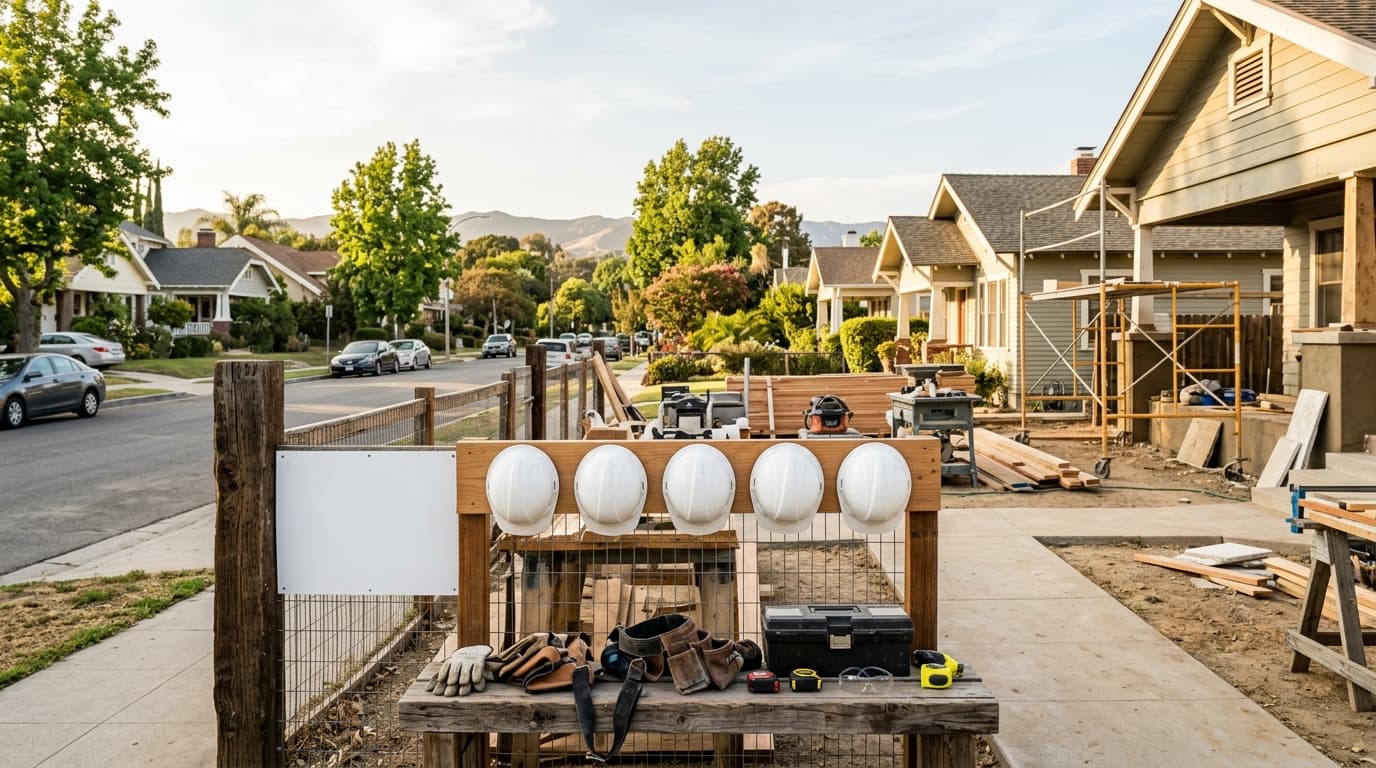
Construction is demanding work. People lift, climb, cut, and operate machinery in changing conditions. How a company treats its workers, in matters of safety, protection, and pay, says more about its character than any marketing slogan. For executives and labor partners, ethical workforce management is both a moral commitment and a practical necessity.
Safety comes first
A safe job site is the foundation of ethical management. Workers should return home healthy at the end of each day. Effective safety programs usually include:
- Training on hazards, equipment, and emergency procedures
- Proper protective equipment provided and used consistently
- Site inspections that identify and correct hazards promptly
- Clear reporting channels so workers can raise concerns without fear of retaliation
- Supervision that models safe behavior
Safety is not a cost to be minimized. Injuries cause suffering, disrupt schedules, increase insurance costs, and damage morale. Prevention is the better investment.
Protection when things go wrong
Even with excellent practices, accidents can occur. Workers' compensation insurance exists to provide medical care and partial wage replacement for work-related injuries and illnesses. In California, employers with employees are generally required to carry it. Maintaining active coverage ensures that injured workers receive care without being forced into financial crisis, and it protects the company and its clients from disputes and liabilities. Our coverage is carried through State Compensation Insurance Fund, and certificates are available to clients and partners on request.
Fair wages and transparent labor practices
Respecting workers means paying them correctly and clearly. Compliance with wage and hour laws, proper classification of workers, accurate recordkeeping, and timely payment are fundamental. These rules can be complex, and requirements vary by project type and location. Employers should consult labor law professionals and keep up with changes.
Beyond legal minimums, ethical employers communicate expectations openly: pay rates, schedules, responsibilities, and opportunities for advancement. Transparency builds trust and reduces conflict.
Dignity and respect
Ethical management is also about culture. Do workers feel respected? Are mistakes treated as learning opportunities rather than occasions for humiliation? Are people recognized for good work? A culture of dignity improves retention, quality, and safety, because workers are more likely to speak up when they feel valued.
For many in our network, including individuals seeking second chances through our partnership with Lord's Instruments Ministries, being treated with dignity at work is itself restorative.
Subcontractor and partner responsibilities
General contractors can also influence labor practices throughout their supply chains. Responsible approaches include:
- Verifying that subcontractors are properly licensed and insured.
- Including safety and compliance expectations in contracts.
- Asking for documentation of workers' compensation coverage.
- Addressing violations promptly and consistently.
- Rewarding partners who demonstrate strong practices.
Why it matters to clients and investors
Property owners and investors benefit from working with contractors who manage labor ethically. Safe, compliant projects tend to have fewer disruptions, lower liability exposure, and better reputations. Conversely, shortcuts with labor often produce hidden risk that returns later as claims, delays, or enforcement actions.
Questions for any contractor
- What is your safety record and training program?
- Do you maintain active workers' compensation coverage?
- How do you classify and pay workers?
- How do employees report concerns?
Building a Culture Where People Speak Up
Policies mean little if workers fear raising concerns. Leaders can build trust by thanking people who report hazards, acting visibly on what they hear, and never punishing honest mistakes reported promptly. Brief daily safety talks, open-door supervisors, and clear channels for anonymous feedback all help. A crew that feels safe speaking up is a crew that catches problems early, which protects people, schedules, and reputations alike.
This article is general information and not legal advice on labor, employment, or workers' compensation matters. Laws change; consult qualified professionals.
See our record
Transparency builds trust. View our Safety & Compliance Record and verify our credentials for yourself.