The Doluu Builder Network: A Collaborative Model for Regional Builders
How regional contractors and trades leaders can collaborate under a licensed banner to take on larger projects while keeping their independence and standards.
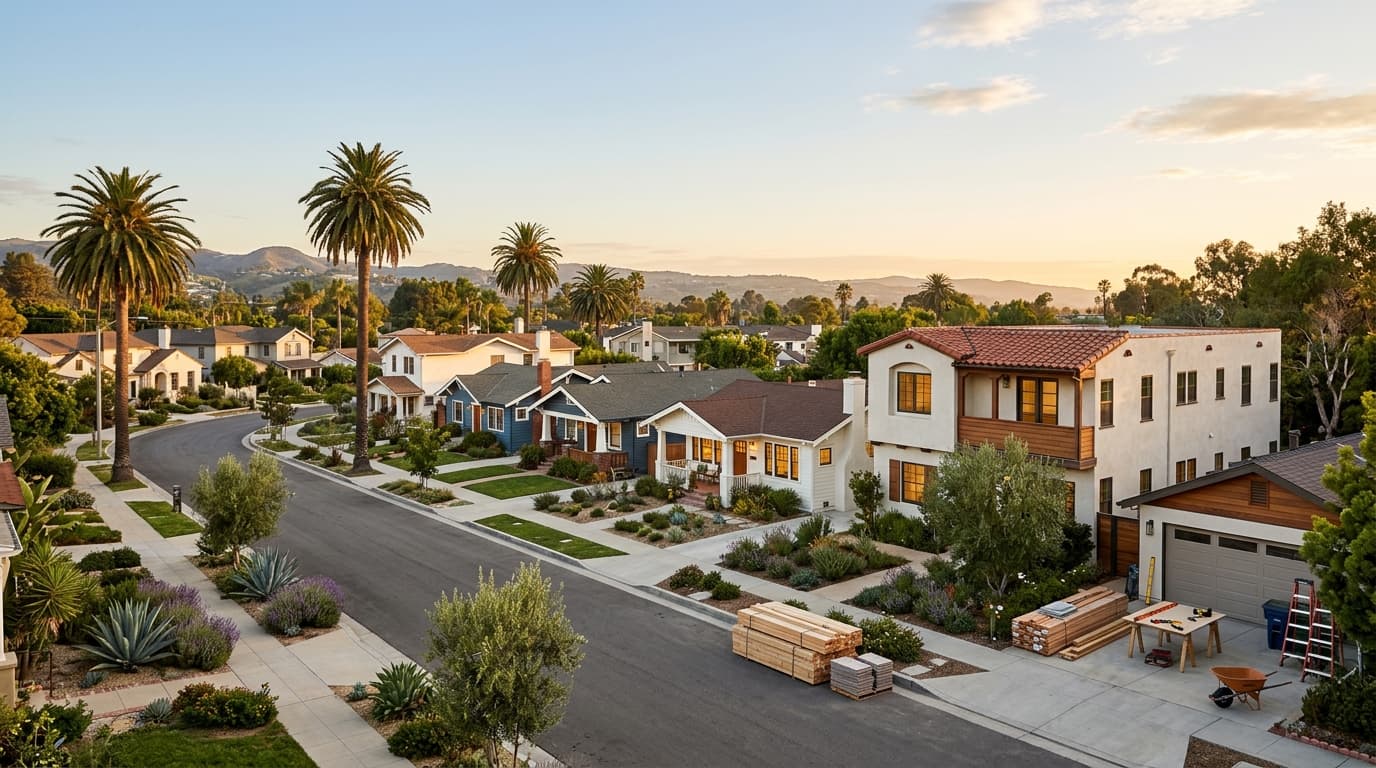
Small and mid-sized contractors are the backbone of local construction, yet many struggle to compete for larger projects. Bonding capacity, insurance, administrative overhead, and the ability to coordinate multiple trades can all stand in the way. The Doluu Builder Network is a collaborative model designed to help regional builders overcome those barriers together while preserving what makes them valuable: local knowledge, craftsmanship, and independence.
The problem the network addresses
An excellent carpenter, electrician, or finish contractor can be shut out of larger opportunities simply because the project requires a broader scope than one firm can deliver. Property owners and municipalities, for their part, often prefer a single accountable party over a patchwork of unconnected trades. This gap leaves capable builders underused and projects less efficient.
How the model works
The network brings regional builders together around shared standards and coordinated project delivery. In general terms:
- Shared standards. Members agree to a common set of quality, safety, and communication expectations, described in the network's welcome charter.
- Coordinated delivery. Projects are organized so that trades work in sequence, with clear scopes and supervision.
- Licensed oversight. Doluu's licensed general building and electrical capabilities provide a structure for coordinating larger work where appropriate. Network members who need their own licenses are expected to maintain them.
- Opportunity sharing. Members may be considered for projects that match their trade and capacity.
- Mentorship and training. Experienced members help develop newer tradesmen, extending the pipeline of skilled workers.
Participation does not mean giving up independence. Members continue to run their own businesses, and the network is meant to complement, not replace, their relationships.
Why larger projects benefit from collaboration
When a municipal or large private project is divided among disciplined, coordinated builders, several advantages can emerge:
- Faster mobilization because trades are already familiar with one another's methods.
- Consistent quality through shared standards and supervision.
- Reduced coordination friction since communication channels are established.
- Local economic benefit as work stays with regional firms and workers.
These advantages are not guaranteed, and results depend on project specifics, but the logic of coordination is compelling.
Who is a good fit
We look for builders and trades leaders who:
- Hold appropriate licenses or credentials for their work
- Maintain required insurance and workers' compensation coverage
- Take pride in craftsmanship and safe practices
- Communicate reliably and honor commitments
- Share our respect for workers and clients
- Are open to mentoring others
Faith is not a requirement for membership, though we are open about our values and our partnership with Lord's Instruments Ministries.
Expectations and accountability
Collaboration requires clarity. Members should expect written agreements, defined scopes, and transparent payment terms. We also expect accountability: work that does not meet standards must be corrected, and unsafe practices will not be tolerated. This clarity protects owners, workers, and members alike.
A broader vision
Our long-term hope is a network of capable regional builders who not only deliver excellent projects but also reinvest in their communities by training new workers, hiring locally, and caring for the properties they build. In this way, each project contributes to a larger story of renewal.
Questions to consider before joining any network
- What are the exact terms, fees, and obligations?
- How are projects assigned?
- How are disputes resolved?
- What insurance and licensing must I maintain?
Ask these of any network, including ours, and review agreements with an attorney.
Starting the Conversation
If you are curious about joining, prepare a brief summary of your business: licenses held, trades offered, typical project sizes, insurance coverage, and a few references. Be ready to discuss what you hope to gain and what you can contribute. A candid first conversation about expectations, capacity, and values will help both sides decide whether collaboration makes sense long before any agreement is drafted.
This article describes a collaborative model in general terms and is not an offer of employment, franchise, or contract. Membership is subject to application, review, and written agreement.
Apply today
If you lead a trade business and want to explore how collaboration could strengthen your work, Apply for Builder Network Membership and start the conversation.