From Apprentice to Entrepreneur: Creating Pathways to Self-Sufficiency
How hands-on job-site experience can grow into business knowledge, licensing readiness, and the confidence to launch an independent trades company.
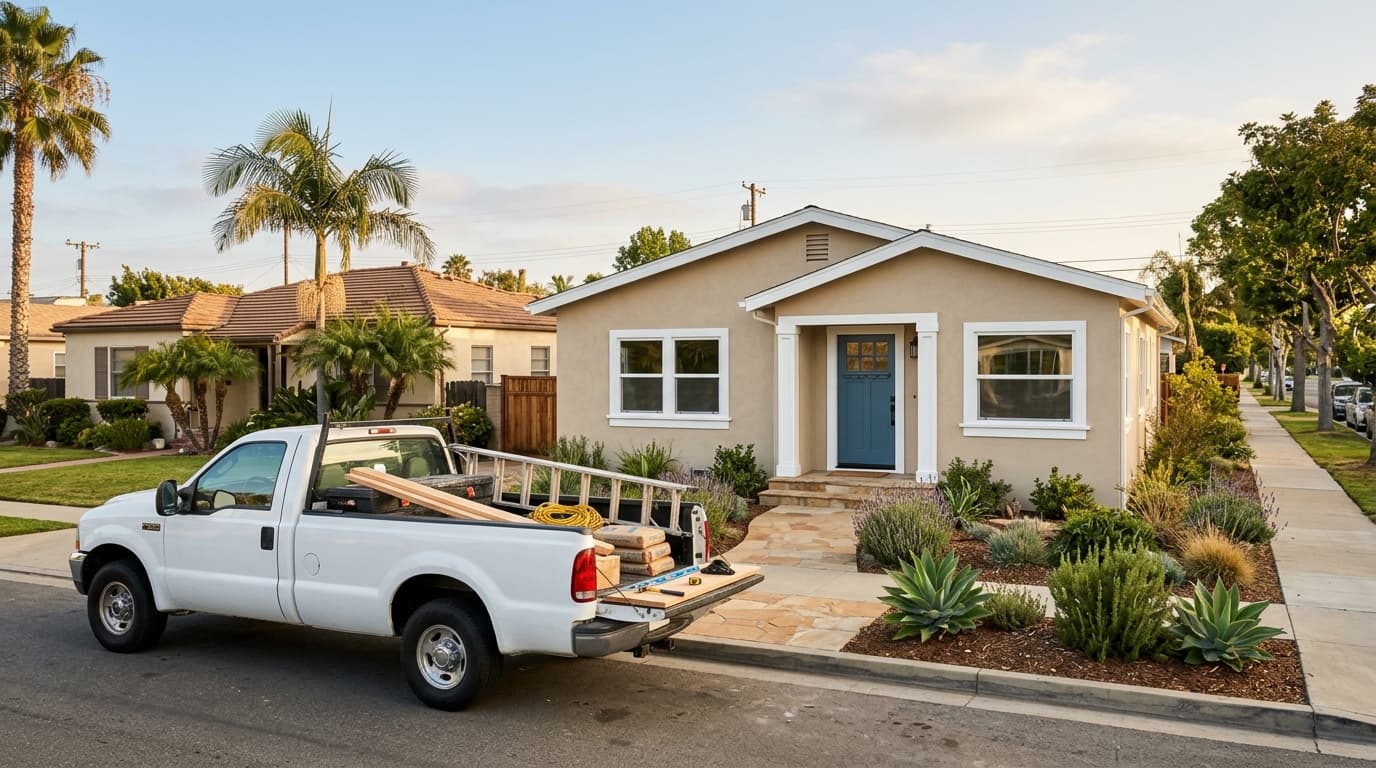
Many tradesmen dream of working for themselves. They are tired of uncertain schedules, tired of someone else setting the price, and confident they could run a project at least as well as the person supervising them. That dream is achievable for some, but it works best as a progression rather than a leap. Here is how an apprentice can grow into an entrepreneur with the right foundation.
Stage 1: Master the craft
Every business in the trades rests on competence. Before thinking about a company name, focus on mastering fundamentals: safety, measurement, tools, reading plans, and quality finish. Work alongside experienced tradesmen. Ask why things are done a certain way. Practice until good work becomes habit. Customers hire reputation, and reputation is built on consistent quality.
Stage 2: Learn how projects actually run
Skill with tools is not the same as understanding a project. Entrepreneurs need to grasp scheduling, sequencing, material ordering, inspections, and communication with owners. Spend time observing how supervisors plan the day, resolve problems, and coordinate trades. On Doluu job sites, trainees participate in real projects, which exposes them to these realities.
Stage 3: Understand the business side
Running a trades business involves more than doing the work. Key topics include:
- Estimating and pricing. Knowing true costs, including labor, materials, overhead, and profit.
- Contracts and paperwork. Written agreements, change orders, and records.
- Cash flow. Managing the gap between spending and getting paid.
- Insurance and compliance. Understanding what coverage and registrations are required.
- Taxes and bookkeeping. Keeping clean records and meeting obligations.
- Marketing and relationships. Earning referrals and repeat work.
Many capable craftsmen struggle not because their work is poor, but because the business side is neglected. Seeking mentors, classes, and professional advisors can make a major difference.
Stage 4: Pursue credentials where appropriate
In California, certain work requires a contractor license, and requirements depend on project size and type. Licensing generally involves documented experience, examination, bonding, and background requirements. Some people pursue licensing early; others work as employees or subcontractors while building experience. Check the CSLB's official guidance to understand which rules apply to your situation, and never perform work that requires a license without one.
Stage 5: Start small and grow deliberately
Many successful tradesmen begin by taking on modest jobs or subcontracting for established builders. Starting small limits risk and builds a portfolio. As reputation and cash reserves grow, they take on larger work, hire help, and invest in equipment. Patience tends to be a better strategy than rapid expansion.
Why networks matter
Independent does not mean alone. The Doluu Builder Network is designed to connect tradesmen with projects, mentors, and peers. Working within a network can provide access to opportunities, shared standards, and guidance that individual startups often lack.
Self-sufficiency and dignity
For many people, self-sufficiency is about more than income. It is about agency: the ability to provide for family, make decisions, and contribute to the community. Our work with Lord's Instruments Ministries emphasizes this broader vision, helping people rebuild stability through skills, work, and encouragement.
A realistic note
Entrepreneurship carries risk. Many small businesses struggle, and no training program can guarantee success. Honest preparation, wise counsel, and perseverance improve the odds, but they do not remove uncertainty.
Practical first steps
- Choose a trade focus and continue building skills.
- Find a mentor who runs a business.
- Learn basic estimating and bookkeeping.
- Review CSLB licensing information.
- Build a small reserve fund before going solo.
This article is educational and not legal, tax, or business advice. Licensing and business requirements vary and change; consult official sources and qualified professionals.
Join us
If you are ready to build skills and explore your path, Join the Tradesmen Network and take the next step with experienced builders beside you.