The Anatomy of a Licensed Renovation: B General Building & C10 Electrical Standards
What a licensed general building and electrical contractor actually brings to a renovation, and why license classification affects quality, safety, and resale value.
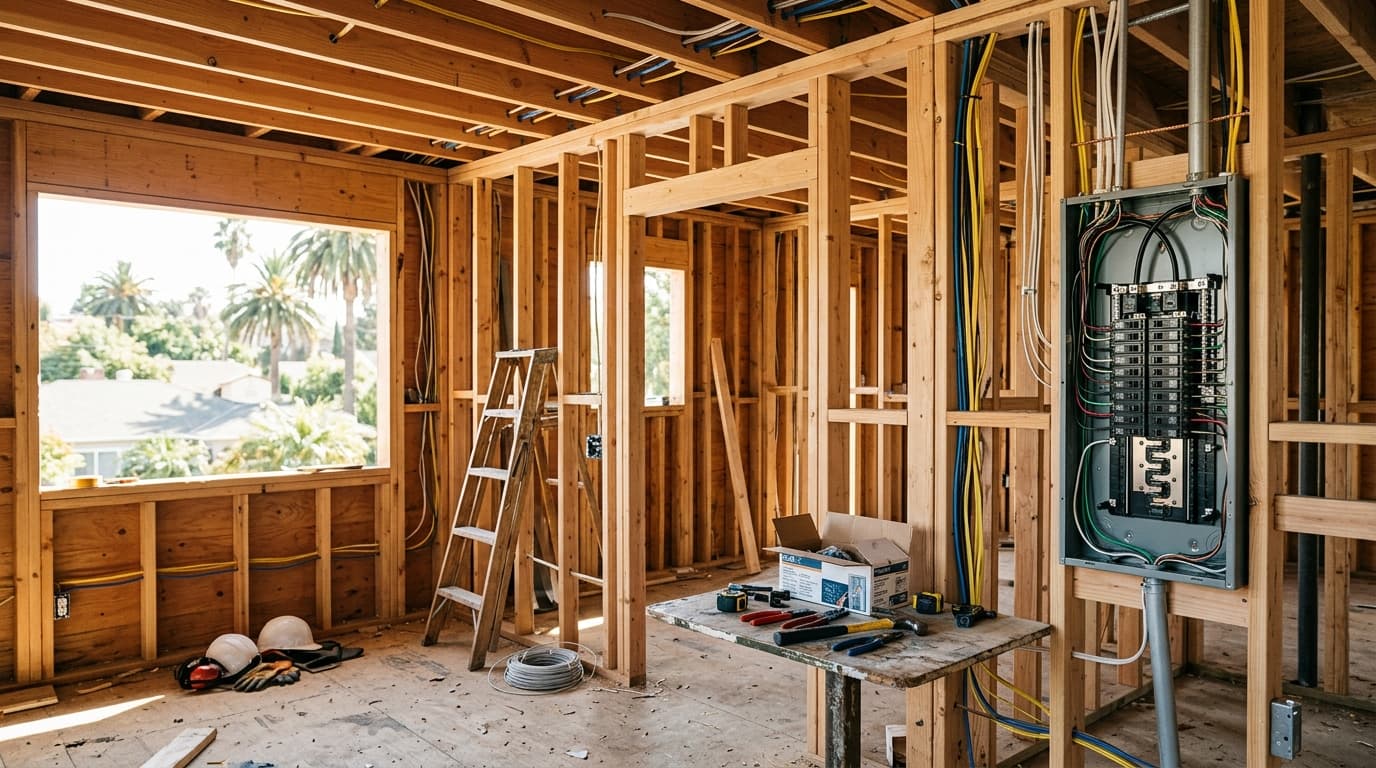
When a property owner hires someone to renovate, the biggest risk is rarely a missed paint color. It is hidden: wiring that does not meet code, structural changes without proper permits, or work that fails inspection and delays a sale. Licensing exists to reduce those risks. In California, the Contractors State License Board (CSLB) classifies contractors by the type of work they are qualified to perform, and the classification matters.
Two classifications that work well together
Doluu Investment Corporation operates under Class B (General Building) and Class C10 (Electrical) classifications, with our DBA, Solar Builder Century USA, serving energy-related projects. Each addresses a different layer of a renovation.
- Class B, General Building. A general building contractor is licensed to construct or alter structures that involve at least two unrelated building trades. In practice, this covers coordinating framing, finishes, and related work on a project.
- Class C10, Electrical. An electrical contractor is licensed to install and maintain electrical systems, from service panels to lighting and distribution. Electrical work is a leading source of fire and safety risk when done improperly.
Having both under one organization means fewer handoffs, clearer accountability, and a single point of responsibility when schedule or quality questions arise.
The anatomy of a licensed renovation
While every project differs, a well-run renovation tends to follow a recognizable sequence.
- Assessment. Before a dollar is spent, the structure, systems, and permitting history are evaluated. This is where hidden problems are found early, when they are cheapest to address.
- Scope and budget. A written scope defines what will be done, to what standard, and at what cost, with allowances clearly identified.
- Permits and plans. Licensed contractors understand which work requires permits and how to obtain them, which protects the owner at inspection and at sale.
- Rough work. Framing, rough electrical, and other behind-the-wall systems are completed and inspected before surfaces are closed.
- Finish work. Drywall, fixtures, flooring, and exterior details bring the property to market-ready condition.
- Final inspection and handover. Documentation and sign-offs confirm the work meets applicable requirements.
The sequence is not glamorous, but it is where value is protected. Inspections catch problems when they are inexpensive to fix.
Why electrical work deserves special attention
Aging or amateur electrical work is common in distressed properties: overloaded panels, ungrounded circuits, and improvised splices. Upgrading these systems improves safety and also modernizes the property for today's loads, including EV charging, air conditioning, and solar readiness. Lenders, insurers, and buyers increasingly scrutinize electrical condition, so a documented, code-compliant upgrade supports value.
How to protect yourself when hiring any contractor
These steps apply whether you work with us or anyone else:
- Verify the license on the CSLB website and confirm the classification matches the work.
- Confirm the license is active and check bond and workers' compensation status.
- Review any disciplinary or complaint history.
- Get a written contract with scope, price, timeline, and payment schedule.
- Never let payments run far ahead of completed work.
License information changes over time, so always verify current status directly with the CSLB before signing anything, including with us.
Quality as a value driver
A renovation done properly does more than make a building look new. It reduces the likelihood of callbacks, protects against code issues during sale, and gives buyers and tenants confidence. Quality is not an expense layered on top of the project; it is the foundation of the value the project creates.
Questions to Ask Before You Sign
Before authorizing any renovation, ask your contractor to explain in plain language which parts of the work require permits, who will schedule inspections, and how changes will be documented. Ask what happens if hidden conditions appear behind the walls, and how those costs are approved before work continues. A contractor who answers clearly, and puts the answers in writing, is usually one who respects both your budget and your time.
This article is general information, not legal or construction advice. Requirements vary by jurisdiction and project.
Ready to evaluate your property?
If you are weighing a renovation, a professional assessment is the best first step. Schedule a Property Assessment and we will walk through condition, scope options, and realistic paths to increasing value.